There’s a lot of focus on teaching reading through challenging novels, which is really important and valuable. But what about non-fiction? Do you have a balance between fiction and non-fiction in your reading lessons?*
In this post, I will break down my ideas, specifically those involving reading and frequent short bursts of retrieval, from my Curriculum Decisions Part 2 post, so if you haven’t already read that one (or, like me, not for a while!) I’d recommend having a look at it first. https://mrssteaches.school.blog/2020/02/05/history-geography-curriculum-decisions-for-class-teachers-part-2/
I’ve recently created book lists for a variety of history, geography and science topics – all books are free to read on www.getepic.com at any time for teachers, and you can create pupil accounts for reading on individual devices during school hours. 24 lists now at this link https://drive.google.com/drive/folders/1HCyTPRjgYgJCytW5-mgzvI3kh1bWTSDo?usp=share_link
Reading through all these great non-fiction books made me think about how these could be used effectively to build knowledge across the curriculum. Obviously non-fiction texts can be really helpful to use during the subject lessons, either to assist with delivering the new content by showing texts on the board, or for children to reinforce what they have learnt through independent reading. However, there are other ways in which non-fiction texts can be used to strengthen knowledge. In this post, I will explain some strategies for class teachers, plus something to consider for subject/curriculum leads, and illustrate them with examples.
Strategies for class teachers:
- Pre-reading
To prime the children for new learning, select one or two fairly simple and short books to read as a class before you teach the topic. These could be read to the whole class during story time, or could be used for one or two reading lessons so you have the opportunity to explore the text in depth. For example, a good way of preparing children for a new history topic would be to read a couple of books about a linked country beforehand, or for science topics, reading a book that recaps prior knowledge from a previous year group.
Example: Roman Britain
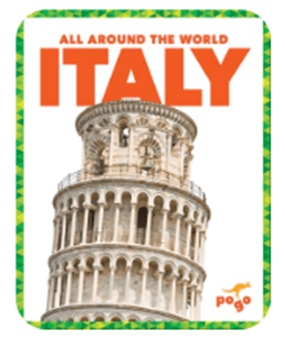
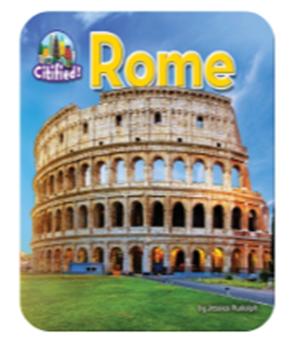
Prior to teaching about the impact of the Roman Empire on Britain, read these books on Italy and Rome. Talking and thinking about these books will ensure that all children have a basic level of knowledge on which to base their learning when you start the topic.
2. Reading to revisit knowledge
Fairly soon after the topic, plan a sequence of reading lessons based around a text which covers the main learning you covered within that topic. This is a great way to both revisit learning to secure it in long term memory, and give all children the opportunity to access a more challenging text, since they already have good knowledge of the subject.
Example:
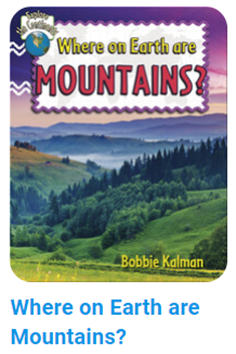
This book is excellent for reinforcing learning about mountains as it provides an excellent summary of the key learning – what mountains are, how they are formed, and a variety of mountains around the world (helpful for building locational knowledge as well as the specific knowledge about mountains). It would also be a useful text for learning about features of information texts, and I’d recommend selecting particular pages for modelling deconstructing the text and for children to answer questions about. I’d recommend spending a week focusing on the book in reading lessons the term after you learnt about mountains in geography.
3. Reading to deepen knowledge
Similar to pre-reading, this can be done in one of two ways – either reading a fairly short book as a whole class in story time, or using a more challenging book as a focus for a sequence of reading lessons.
Example 1: Whole class book
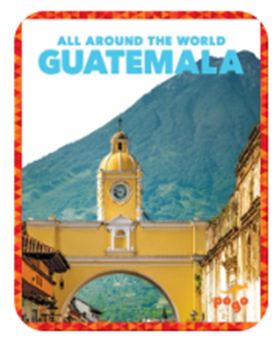
After learning about the Maya in history, you could read and discuss this book about Guatemala as a class. It’s a fairly simple book for KS2 children, but there are lots of interesting facts that link to the Maya, building on children’s knowledge of the history of the Maya while finding out more about how that influences people’s lives in modern day Guatemala. There are also opportunities to make links to the geography curriculum through reading this book.
Example 2: Reading lessons
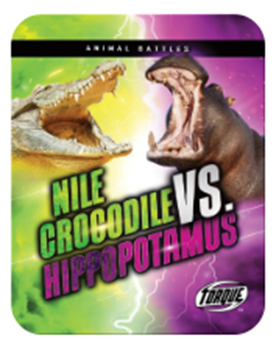
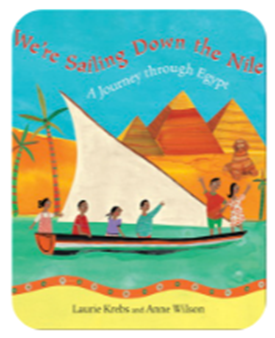
After learning about Ancient Egypt in history, plan a sequence of reading lessons around this book on Nile crocodiles and the hippopotamus, which deepens children’s knowledge of the River Nile in a different way through learning more about the animals that live there. This is also a great way to build on knowledge of animals from science lessons. You could start by reading ‘We’re Sailing Down the Nile’ and stopping at each new location for children to recall as many facts as they can on that subject (mummies, pyramids, farming etc) to revisit prior learning before starting to explore the new book. Nile Crocodile vs Hippopotamus gives opportunities for exploring the different ways that information can be presented, and would be a great stimulus for children writing their own information texts about animals.
Strategies for subject/curriculum leads:
- Pre-reading
As a subject or curriculum lead, you could support teachers to deliver pre-reading activities with their classes by identifying suggested texts for them to use. I’ve focused on the selection of books from Epic, but this strategy could also be used with websites, articles, actual books or pages from atlases or textbooks. Picture books containing key vocabulary can also be really useful here, as I explain in my Curriculum Decisions post (link above).
You could also build pre-reading into prior year groups’ reading curriculum. For example, if the impact of the Romans on Britain is taught in Year 4 in your school, you could select a couple of books about Italy and Rome for Year 3 to read. This would be particularly useful for topics taught in the autumn term as opportunities for pre-reading within the same academic year will obviously be limited for those topics.
2. Reading to revisit and deepen knowledge
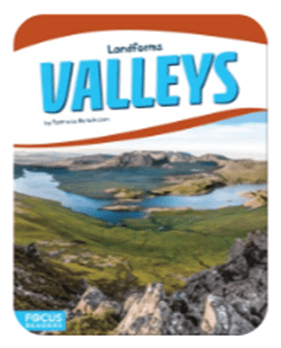
As with pre-reading, selecting texts that recap the key knowledge from the topic or build on it in a different context would support teachers with planning these opportunities for their class. Again, this could be within the same academic year, or you could suggest texts to be used in subsequent year groups in order to build on certain topics. This would be particularly helpful for topics that have fewer cross-curricular links, to ensure they are remembered, or where knowledge is particularly important to remember in depth. For example, if children have learnt about rocks in Year 3 science, and then rivers in Year 4 geography, this series of books on landforms would be an excellent way to revisit and link those topics in Year 5 during reading lessons.
*Apart from the other benefits stated above, this is really important as children often struggle with the level of formality required in non-fiction writing when they reach Upper KS2.
 MrsSTeaches on Curriculum